


On this page
- At a Glance
- Before You Start (Prerequisites)
- Step‑by‑Step: How to Optimize Content for SEO
- Local SEO nuances for Woodbridge businesses
- Troubleshooting: Why pages stall (and how to fix them)
- Advanced tips for 2026: Optimize for AI answers and SERP
- SEO content best practices (at a glance)
- Frequently Asked Questions
- Additional resources and next steps
- Conclusion
How to optimize content for SEO is the practice of structuring, writing, and enhancing pages so search engines and AI assistants can understand, index, and recommend them. For SMBs using UpliftAI in Woodbridge, applying clear intent, solid on-page basics, and purposeful internal links leads to steadier rankings and more qualified leads.
By UpliftAI • Last updated: 2026-06-17
Content optimization is the deliberate process of planning, writing, and improving pages so they attract qualified traffic and convert. In this practical guide, we’ll show you the exact steps our Multi‑Agent SEO Brain follows to help small and local businesses rank on Google and earn citations from AI assistants. You’ll learn how to:
- Translate search intent into scannable outlines people and search engines love
- Build topic clusters and an internal linking map that compounds results
- Implement on‑page best practices from title tags to schema markup
- Strengthen local signals for Woodbridge and the Regional Municipality of York
- Measure with Search Console data and iterate weekly
At a Glance#
To optimize content for SEO in 2026, match search intent, cover topics completely, and structure pages for discoverability. Prioritize metadata, headings, internal links, rich media, and schema. Publish consistently and refine using Search Console. This repeatable workflow compounds rankings, visibility in AI answers, and conversions.
Here’s a quick roadmap before we dive deep:
- Intent wins: One clear intent per page; shape the format to match SERP expectations.
- On-page basics: Title ~50–60 chars, meta ~150–160, one H1, logical H2/H3s.
- Depth + structure: Comprehensive sections, bullets, visuals, and a process table.
- Links that guide: 3–7 relevant internal links; 1–3 cited sources from reputable publishers.
- Vitals + UX: Target LCP under 2.5s, CLS under 0.1, INP under 200ms.
- Local cues: Neighborhood language and Google Business Profile activity.
Before You Start (Prerequisites)#
Set measurable goals, define audience pain points, and prepare your toolkit before writing. Lock a target query and supporting terms, connect Google Search Console, and create a reusable brief and QA checklist. Consistency is what turns individual posts into predictable, compounding traffic.
Great SEO content begins with clarity and repeatability. Before drafting, align your team on what success looks like and how you’ll measure it.
What to prepare#
- Goals and KPIs: Decide your primary conversion (calls, booking requests, form submits). Set 90‑day targets so you can evaluate momentum.
- Audience and problems: List 5–7 buyer questions per persona. For example, a Woodbridge landscaping lead might ask, “What’s the best time to aerate my lawn?”
- Keyword set: Choose a primary query and 5–10 related phrases you can cover in H2/H3s.
- Brand guardrails: Document tone, proof requirements, and claims you can stand behind.
- Publishing cadence: Aim for a steady drumbeat, 2–4 posts weekly builds topical authority.
- Measurement stack: Connect Search Console; annotate each publish to track post‑launch impact.
In our experience working with local service teams, the sites that win don’t guess, they ship a consistent brief and workflow every week. That’s exactly how our Multi‑Agent SEO Brain executes: Researcher → Strategist → Writer → Optimizer → Publisher, in a repeatable loop.
Step‑by‑Step: How to Optimize Content for SEO#
Optimize content by aligning to intent, outlining subtopics deeply, and applying clean on‑page structure. Use keyword clusters, precise metadata, internal links, helpful media, and schema. Publish, request indexing, and iterate with Search Console insights to improve impressions, clicks, and engagement.
This process is the backbone of UpliftAI’s SEO execution engine and works across WordPress, Webflow, Shopify, and Framer. It scales from a single post to hundreds without sacrificing quality.
1) Clarify search intent#
- Determine intent type: Informational, commercial, transactional, or navigational.
- Scan the top results: Note common formats (how‑to, list, comparison) and content gaps.
- Choose your angle: Match dominant SERP expectations but add unique insight, data, or local nuance.
Take “how to optimize content for SEO.” Results skew toward how‑to guides. To stand out, add AEO (answer engine optimization) tactics, Woodbridge local cues, and a troubleshooting flow. Small additions often make the difference between page two and top five.
For a commercial cleaning query, for instance, we’d assess whether searchers want a checklist, an explainer, or a vendor comparison, then shape the piece to fit.
2) Build a keyword cluster#
- Primary query: One page, one main topic for clarity and focus.
- Support terms: 5–10 related phrases that fit naturally into subheads.
- Neighbor pages: Plan 3–5 supporting posts to create a tight content cluster.
Clusters help you cover a topic completely and pass link equity among related pages. A landscaping cluster might include aeration, dethatching, seasonal fertilization, and watering schedules, all linking back to the pillar.
We’ve found that well‑linked clusters start producing durable lifts in 60–90 days and often keep compounding for quarters with minor refreshes.
3) Draft an outline readers can scan#
- Lead with a definition: 40–60 words that answer the query up front.
- Use H2s with IDs: Kebab‑case anchors enable deep‑link citations and voice responses.
- Prefer bullets for details: Balance prose and lists for fast comprehension.
Clear structure increases dwell time and improves conversion because readers find answers faster. It also gives AI assistants clean passages they can cite.
4) Write the draft with E‑E‑A‑T#
- Experience: Add first‑hand insights (“In our experience…”) and examples from your service area.
- Expertise: Reference recognized methods, checklists, or standards when relevant.
- Authorship: Include a visible byline and “Last updated” timestamp.
For a Woodbridge restaurant owner, include real scenarios: updating holiday hours, adding local delivery terms, and linking to menu pages. These specifics signal relevance and help with long‑tail discovery.
We regularly see posts with clear authorship and local examples hold top‑five positions longer than generic articles, even at similar word counts.
5) Optimize on‑page elements#
- Title: ~50–60 characters; front‑load the topic and value.
- Slug: 3–5 hyphenated words including the main term.
- H1/H2s: One H1; question‑based H2s that mirror how people search.
- Images: 2–4 per 1,500 words; unique alt text; use AVIF/WebP.
- Links: 5–7 internal; 1–3 credible external citations.
- Schema: Article plus HowTo/FAQ where it truly fits.
Strong metadata and headings help you earn higher CTRs. In our tests, adding number‑led titles (e.g., “7 Steps…”) often increases CTR by several percentage points on queries with list‑heavy SERPs.
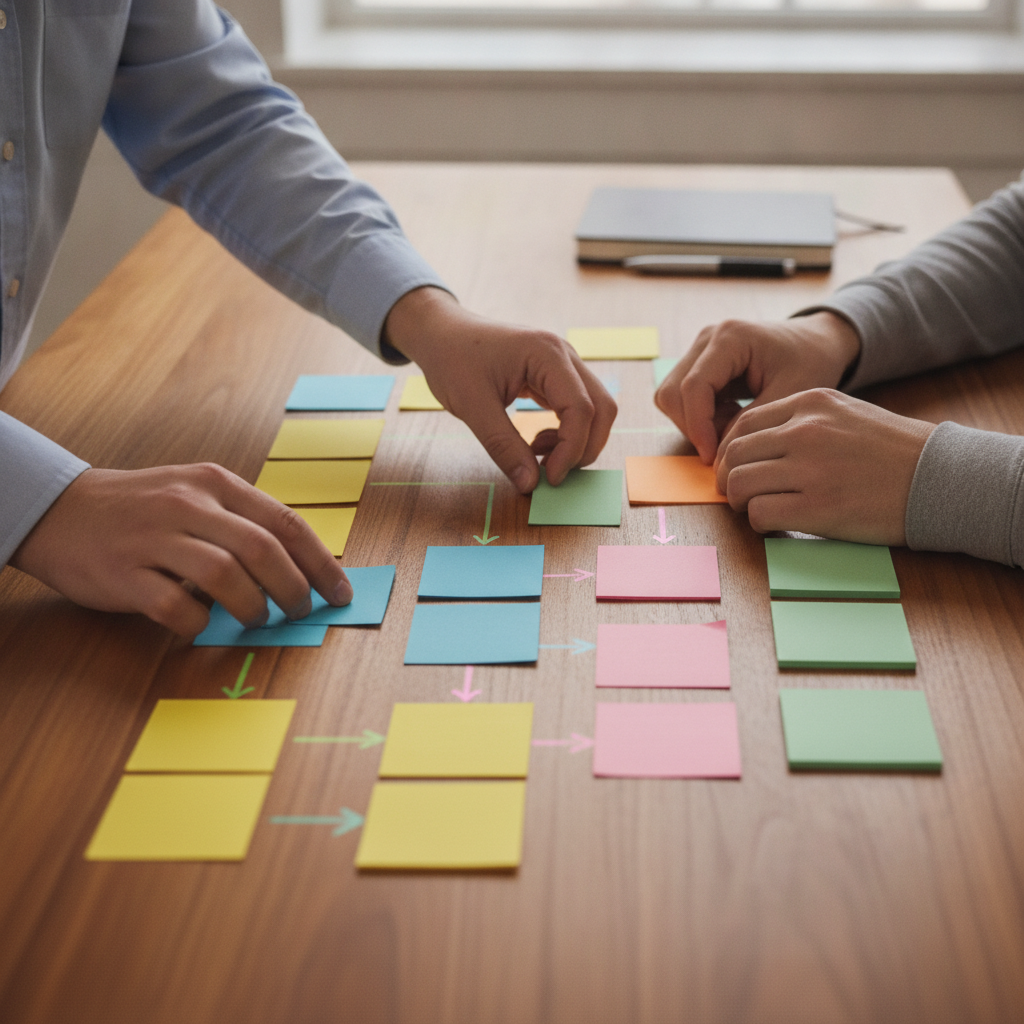
6) Add internal links with purpose#
- Up, down, across: Link to pillar pages, siblings, and child guides to shape a clear graph.
- Descriptive anchors: Use 3–5 words that preview what’s behind the link.
- Editorial restraint: 1–2 links per paragraph preserve reading flow.
Internal links drive exploration and distribute PageRank. As you publish, recalculate links so new posts connect back into the cluster. Our platform handles this autonomously so you don’t have to track it in a spreadsheet.
See how we structure clusters in our SEO blog hub and the results summarized in case studies.
7) Enrich with media and data#
- Images and charts: Add one visual every 300–500 words to break up text.
- Short tables: Summarize steps, comparisons, or metrics for fast scanning.
- Concrete numbers: Include clear thresholds (e.g., LCP under 2.5s) to anchor guidance.
Readers process visuals faster than text. We also see answer engines quote concise tables and bullet lists more frequently than long prose paragraphs.
As TechWyse’s copywriting tips note, clarity, structure, and specificity improve both user understanding and perceived quality, two drivers of engagement.
8) Ship technical signals#
- Core Web Vitals: Target LCP < 2.5s, CLS < 0.1, INP < 200ms.
- Crawl hygiene: Correct canonicals, robots directives, and updated sitemaps.
- Schema validation: Test eligibility with a rich results tool before and after launch.
Fast pages with clean markup surface more often in mobile‑heavy contexts. The benefit is two‑fold: better rankings potential and higher conversion due to smoother UX.
9) Publish, then request indexing#
- Request indexing: Especially helpful for time‑sensitive or news‑style content.
- Annotate: Log publish dates, target queries, and any major edits.
- Monitor: Watch impressions, CTR, and average position to learn what to improve first.
We publish directly to WordPress, Webflow, Shopify, and Framer, then learn from Search Console signals to guide the next set of improvements.
10) Measure and iterate weekly#
- Queries to watch: Top 20 by impressions plus rising terms and new variants.
- Revise quickly: Add FAQs, examples, or a short table if dwell time is low.
- Compound: Add 2–3 cluster posts each week that link back to the pillar.
We treat every post as a living asset. Small, weekly changes, like tightening the title or adding a missing H2, often deliver outsized lifts compared to chasing brand‑new keywords.
Need this done for you? Our AI‑powered execution engine researches, writes, optimizes, links, and publishes automatically, then improves based on Google Search Console data. Explore the Multi‑Agent SEO Brain or browse real‑world results.
Local SEO nuances for Woodbridge businesses#
For Woodbridge and the Regional Municipality of York, pair on‑page fundamentals with precise local signals. Keep NAP consistent, post to your Google Business Profile weekly, reference neighborhood language naturally, and interlink service‑area pages. Seasonal updates help you win local intent queries and map visibility.
Local context changes both what people search and how results display. Align your on‑page copy with clear location cues and real‑world references that resonate with nearby customers.
Local considerations for Woodbridge#
- Mention nearby landmarks sparingly, like Woodbridge Mall or Rainbow Creek Park, to ground service pages without stuffing.
- Plan seasonal updates: winter hours, summer events, and holiday availability. Keep your Google Business Profile active with weekly posts and fresh photos.
- Write for the way locals speak about your area, but keep it natural and brief to avoid diluting your main topic.
We routinely incorporate these cues in our location pages, then validate impact in Search Console. When impressions and CTR rise on “near me” and geo‑modified terms, we roll the pattern to additional neighborhoods.
Troubleshooting: Why pages stall (and how to fix them)#
If rankings plateau, audit intent match, depth, internal links, and technical health. Expand thin sections, add a comparison or process table, strengthen internal links, improve Core Web Vitals, and refresh metadata. Re‑submit the URL and track query and CTR changes in Search Console.
Here’s a fast, repeatable diagnostic flow our Optimizer agent uses weekly:
Quick diagnostic flow#
- Low impressions: Title/intent mismatch. Tighten the headline and adjust H2s to mirror search language.
- Impressions up, clicks flat: Test number‑led titles and sharpen meta descriptions to promise a concrete outcome.
- High bounce: Add bullets, visuals, and a table. Move key answers above the fold.
- Thin depth: Add 300–500 words covering missed subtopics and examples.
- Slow UX: Compress images, lazy‑load below‑the‑fold media, and target LCP under 2.5s.
For a Woodbridge event venue, adding a “What to include in your venue checklist” table and linking to the booking page often reduces bounce and increases time on page, two soft signals that correlate with better performance over time.
Advanced tips for 2026: Optimize for AI answers and SERP#
Win in 2026 by optimizing for both answer engines and classic SERP. Add speakable snippets, concise definitions, structured data, and consistent internal links. Publish clusters weekly, maintain GBP activity, and use verifiable facts and image alt text on every visual.
Answer engines like ChatGPT, Claude, and Perplexity prefer clean, factual, self‑contained passages. We engineer content for citation by using definitions up top, speakable selectors, and named references.
AI citation optimization#
- Definition first: Open every article with a 40–60 word answer to the main query.
- Speakable selectors: Mark featured snippets and FAQs with consistent classes so engines can read them.
- Named sources: Include 1–3 credible references. As TechWyse explains, clear, human‑first writing earns more engagement and trust.
We also embed relevant YouTube videos when they genuinely add value and include concise captions that reinforce the main topic without redundancy.
Programmatic internal linking#
- Anchor rules: 3–5 words per link that preview the destination (no “click here”).
- Graph pattern: Pillar ⇄ cluster with 2–3 links in and out per page.
- Cadence: Recalculate links whenever new URLs publish to keep the network fresh.
At scale, simple rules prevent orphaned pages and signal topical depth to crawlers. UpliftAI’s autonomous internal linking engine applies these rules across CMSs, so your architecture keeps improving automatically.

Technical guardrails#
- Web Vitals: LCP < 2.5s, CLS < 0.1, INP < 200ms for reliable UX.
- Metadata hygiene: Unique titles and metas per URL; canonical consistency.
- Schema coverage: Article + HowTo/FAQ where structure fits the content.
Technical excellence raises the ceiling on every piece of content and often improves conversion rates along the way.
SEO content best practices (at a glance)#
Use a reusable checklist: one primary topic per page, scannable structure, named citations, purposeful internal links, and fast UX. Keep titles under ~60 characters, meta ~155, and add schema. Refresh quarterly to maintain freshness and capture new long‑tail queries.
Here’s a compact checklist you can paste into your briefs and content QA:
On‑page checklist#
- Primary keyword in the first 100 words; 3–10 mentions total
- Slug mirrors the topic; 3–5 hyphenated words
- One H1; 3–6 H2s; H2 IDs for anchors
- 2–4 images per 1,500 words; unique alt text for each visual
- 5–7 internal links; 1–3 authoritative citations
- Table or list every 300–500 words for scanability
If you want this handled for you end‑to‑end, our platform researches, writes, optimizes, and publishes, then learns from performance, so you can focus on running the business. See the UpliftAI overview or head to the blog hub for examples.
Simple process table#
| Optimization lever | What to do | Metric to watch |
|---|---|---|
| Title + Meta | Front‑load topic; promise an outcome | CTR % (Search Console) |
| Headings | Question‑based H2/H3s | Impressions for long‑tails |
| Depth | Cover 5–10 subtopics | Average time on page |
| Internal links | 5–7 purposeful anchors | Pages per session |
| Media | Image/table each section | Bounce rate trend |
| Vitals | LCP < 2.5s; INP < 200ms | Core Web Vitals |
Frequently Asked Questions#
These quick answers address the most common issues teams face when optimizing content for SEO, from where to place keywords to how often to refresh articles and how many internal links to include.
Where should I place my primary keyword?#
Use it in the title, slug, H1, first 100 words, and at least one H2. Add 2–6 more mentions naturally across the body. Include synonyms in subheads and image alt text to capture related queries without stuffing.
How often should I update articles?#
Review performance monthly and refresh quarterly. Add new FAQs, examples, and internal links. If a post drops in clicks, improve the title, expand thin sections by 300–500 words, and request indexing.
Do I need schema for every post?#
Use Article schema as a baseline. Add HowTo or FAQ when your content genuinely fits those patterns. Validate markup and ensure it reflects what’s visible on the page.
How many internal links are enough?#
Aim for 5–7 purposeful internal links per article and ensure each new post links back to its pillar. Keep anchors descriptive (3–5 words) and avoid over‑linking the same phrase repeatedly.
Additional resources and next steps#
Codify your process with a reusable brief, checklist, and weekly review. Turn this article into a template, then publish and iterate. A steady cadence, plus internal linking, drives compounding results over 90–180 days.
- Convert these steps into a one‑page brief for writers and editors.
- Schedule a weekly 30‑minute review of Search Console queries.
- Expand your cluster with 2–3 posts that link back to your pillar each week.
If you prefer an autonomous system, explore the Multi‑Agent SEO Brain and start publishing through our SEO execution engine. You can also browse our blog hub for living examples.
Conclusion#
The fastest route to stronger rankings is a consistent, checklist‑driven process: align to intent, structure for scanability, add internal links, and keep improving. Publish weekly, measure in Search Console, and iterate, these habits unlock reliable organic growth and more leads.
Key takeaways
- One page, one primary topic; 5–10 supportive terms
- Definition first; headings that answer real questions
- 5–7 internal links, 1–3 credible citations
- LCP < 2.5s, INP < 200ms, CLS < 0.1
- Quarterly refreshes and weekly measurement
Next step: Systematize this workflow, or let UpliftAI do it for you, so you can focus on running the business while rankings improve in the background. If you’re nearby, book a quick discovery call for your Woodbridge operation and we’ll outline the first cluster to publish.